
Parenting Support with Whitney Rogers, LMFT
When family life demands more than you can sustain
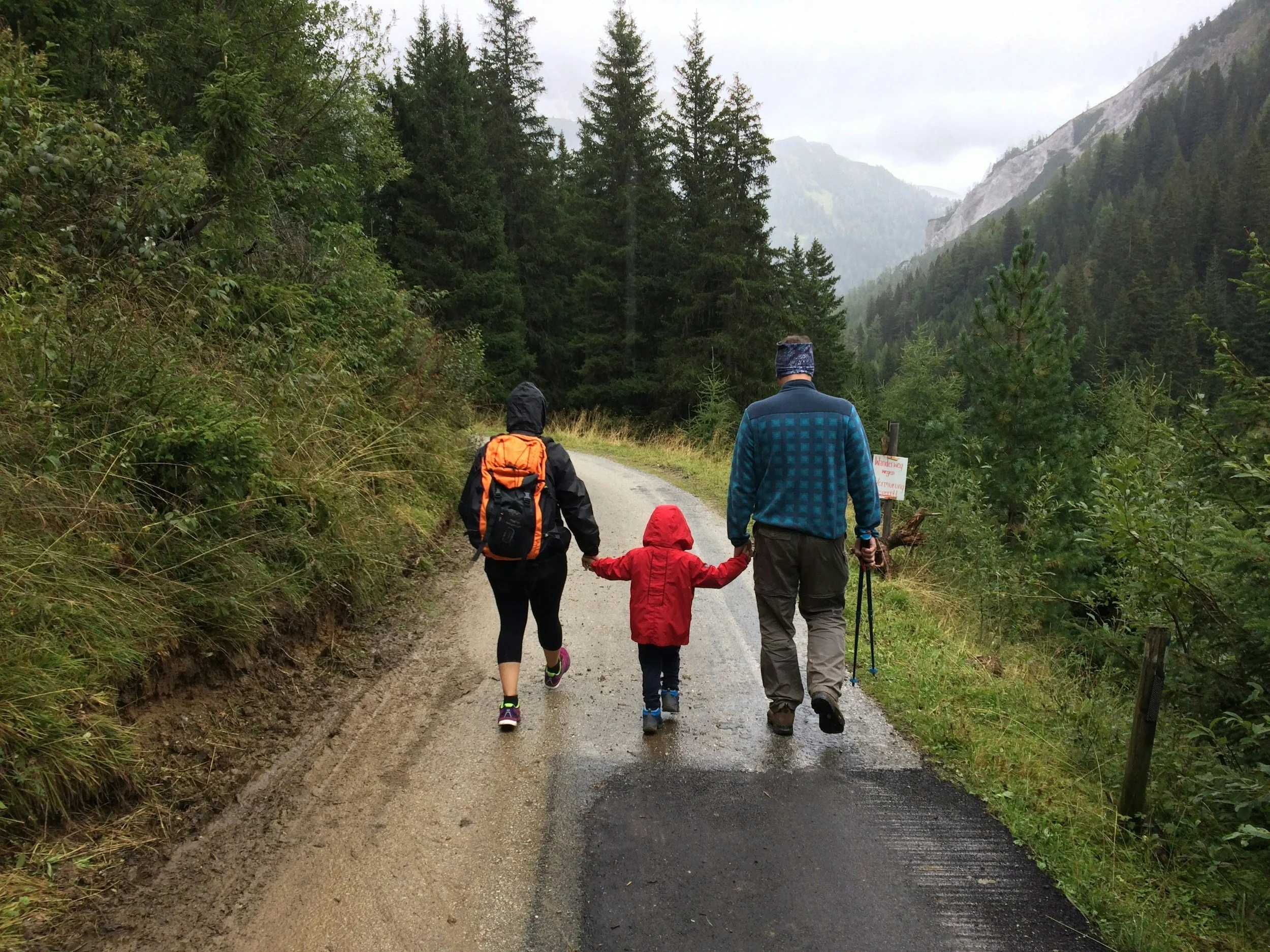
You’re here! You made it. But it’s not feeling the way you expected.
You care about and are dedicated to your family, but something is missing. You might be so focused on the thousands of tasks it takes to keep a household going that love and romance have become a distant memory. Or you are finding yourself less calm, less patient, and more quick to yell or feel overwhelmed in stressful moments.
Today’s parents face so many challenges, and wear so many hats, it makes sense that they struggle to feel the aliveness, joy and pleasure that raising a family in the early years can offer. So many parents feel they are just getting through the day, and are worried about missing it.
If this feels like you, you are not alone. The ever evolving stages of child development continually demand that parents adapt and respond. What’s more, many parents with their own histories of childhood relational trauma, neglect, or loss, often feel a resurgence of these traumatic memories as their children reach a similar age or stage.
TRAUMA INFORMED RELATIONAL PARENTING SUPPORT
Unlike traditional parent coaching or behavioral child therapy, which focuses on behavioral strategies to increase compliance, I help parents understand the relational dynamics at play in the here and now, including the child's developmental needs and limitations, to create realistic, holistic, and sustainable change in family patterns.
Relational Parenting holds that both behavioral change and mutual affection and respect are essential for healthy, loving, long-term parent-child relationships. Without sacrificing the dignity of the child- as in manipulative tactics from behaviorally based child therapy models- or the dignity of the parent- as in parenting approaches that encourage parents to override personal needs for autonomy, independence, and an identity outside of parenthood- I help parents establish family norms of respect for self and other.
Ready to build a more sustainable model for relationships and parent with confidence? Let’s talk.